





Better enquiries
The form on each product passes on its parameters, so sales knows what it is about.
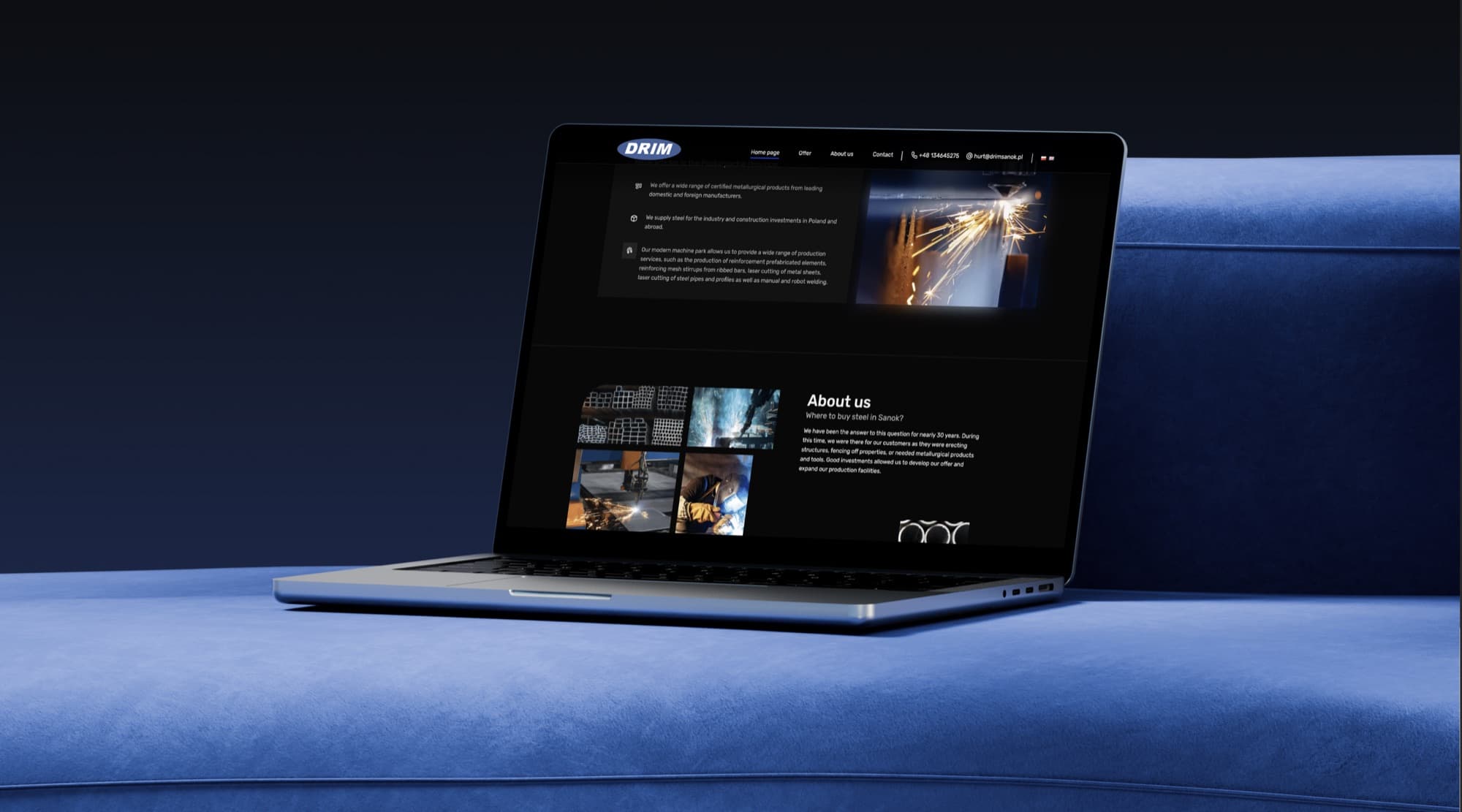
Industrial buyers come for specifications, not slogans. We design websites, product catalogues and B2B platforms for manufacturers where customers find technical data on their own and send a request for quote.
Join the companies we design websites for


Websites for industry
At a manufacturing company, three people read the website. An engineer checks the specs, a buyer checks the terms and someone on the board makes the call. Each of them looks for something different.
The catalogue is the foundation. Hundreds of products, variants, standards and data sheets become filters that work the way customers think: by material, size or application. Every product has a request-for-quote button that carries its name and parameters straight into the form. Your sales team gets a ready enquiry instead of an email saying “please send an offer”.
Larger companies need more than a catalogue. Then we design a B2B platform with customer accounts, order history and price lists for regular buyers, connected to your ERP or another company system. Such platforms are built together with our web application development team. Language versions are planned from day one, because exporting is everyday business in industry, and adding them later costs more.
Scope of the service
Catalogue
Product catalogue with filters and data sheets
Enquiries
Request-for-quote form on every product
Integrations
ERP connection and language versions
Outside the core scope
Product photo shoots and trade fair campaigns

Who it is for
A machine maker and a components wholesaler sell differently. We shape the website around how your customers place orders.

Long sales cycles and several people in the decision. The website shows applications and results at customers, while technical data stays at hand for engineers.

Thousands of items and regular buyers. Search by product code, prices for logged-in customers and quick reordering save time on both sides.

You sell what your machine park can do. We present technologies, tolerances and a form where customers attach a technical drawing.

New technology needs explaining. We turn a specification into a description of benefits the board understands, and keep the technical data for specialists.

Customers include contractors, architects and wholesalers. Product sheets, certificates and declarations of performance to download answer each of them.

A customer abroad judges your company by its website before seeing the factory. Language versions and clear delivery terms remove the first barrier.
What you gain
An industrial company website is a sales tool. It should shorten the conversation with a customer, and looking good at trade fairs is only a bonus.
The form on each product passes on its parameters, so sales knows what it is about.
Customers check technical data themselves and come back with a specific question.
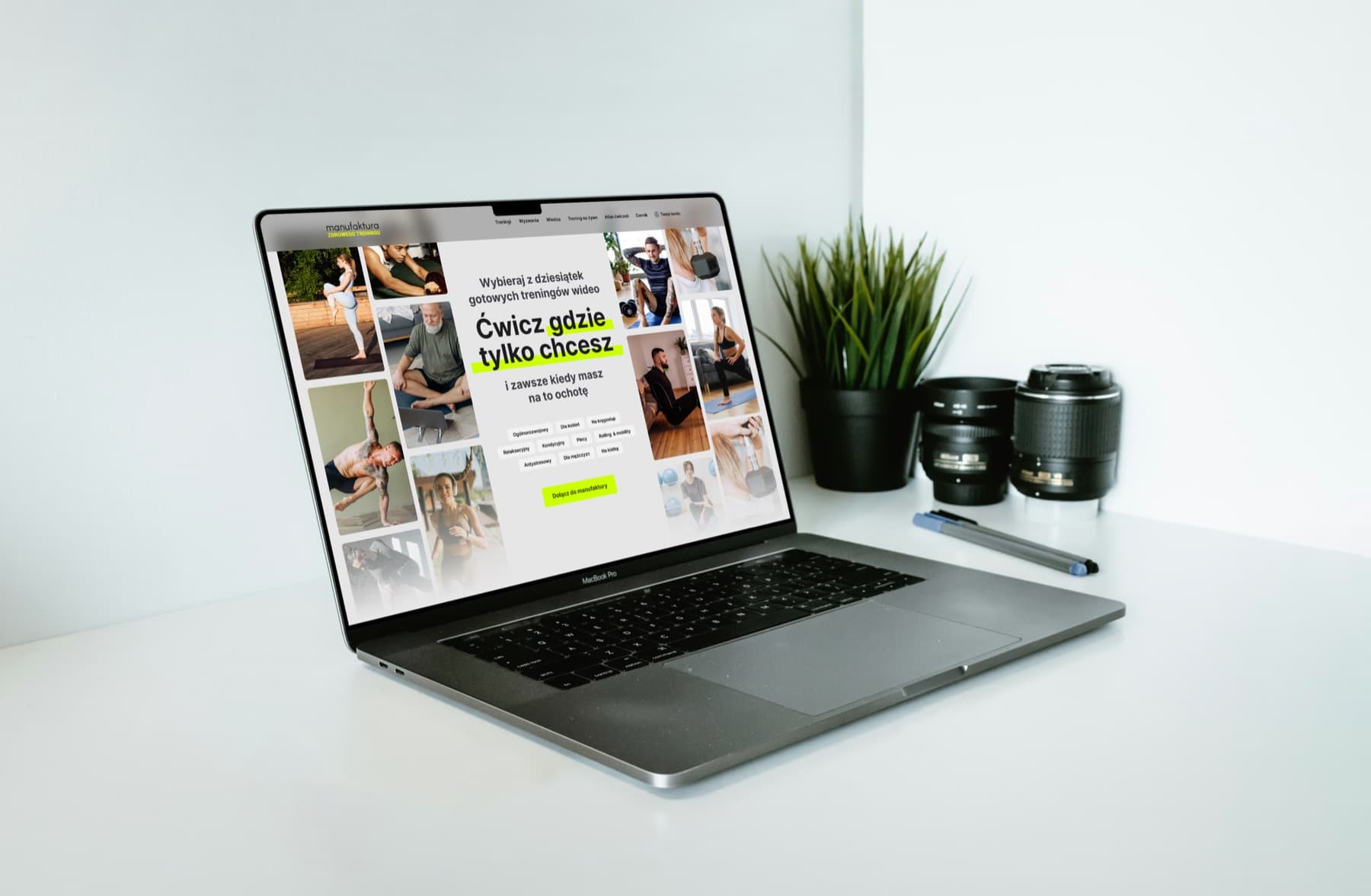
Filters by material, size and application instead of dozens of PDF files.
An ERP integration updates products and prices with no manual work.
Language versions planned into the structure from the first day of the project.
Every product and technology is a separate page people can find in search.
How we work
In industrial projects, organising the data takes the most time. That is why we start with it, before the first screen is designed.
Website, data and sales process
First we check the current website and where enquiries come from today, and talk to your sales team, because they know best what customers ask before ordering.

Getting products in order
We agree how to describe products and which parameters become filters. Sometimes that means tidying up data in the ERP before anything reaches the website.
Catalogue and enquiry path
We test the catalogue, product page and form wireframes on real data instead of sample text. Only when they work do we move on to the visual design.

Integrations and languages
We connect the website to the ERP or another data source, launch language versions and set up redirects from old addresses so you keep your Google rankings.
New products and markets
New product lines, markets and features for regular customers arrive. We stay with the website and develop it in further stages.
FAQ
Answers to the questions we hear from owners and sales directors at industrial companies.