





Lower risk
An MVP shows whether the idea works before you invest in the full product.
Web applications for startups and established companies. Sometimes it's an MVP meant to test an idea, sometimes a system your team spends the whole day in. Either way, we talk about the problem first and choose the technology later.
Join the companies we build products for


Our offer
A web application is software that runs in the browser. It can be a SaaS platform, a customer portal or an internal tool. Nobody has to install it, and a new version reaches all users at the same moment.
It starts with a workshop. We talk about the problem, about the people who will use the application and about what you can't launch without. It often turns out that far less is needed at the start than the first feature list assumed. Most often we suggest starting with an MVP, the smallest version that already gives users value.
Then comes UX/UI design and a clickable prototype, and only after that the code (usually React, Next.js and Node.js). We work in short cycles. Every few weeks you get a working piece of the application and can change priorities before more weeks go into it. After launch we stay, because real users always reveal something nobody anticipated.
Scope of the service
Planning
Workshop, MVP scope and technology choice
Design
UX/UI and a clickable prototype
Development
Frontend, backend, integrations and deployment
Outside the core scope
Campaigns and user acquisition after launch
Who it's for
We work best with companies that have a clearly defined problem and are tired of working around it in a spreadsheet.

The idea is there, the budget is limited. We build an MVP that tests whether anyone will pay for the idea before you spend the rest of the money.

User accounts, subscriptions, an admin panel. We design the architecture with the day you have ten times more users in mind.

Orders in one spreadsheet, customers in another, agreements buried in emails. We turn that into one application where nothing gets lost.

Customers want to book an appointment, check an order or download an invoice on their own. A customer portal handles that without a phone call to the office.

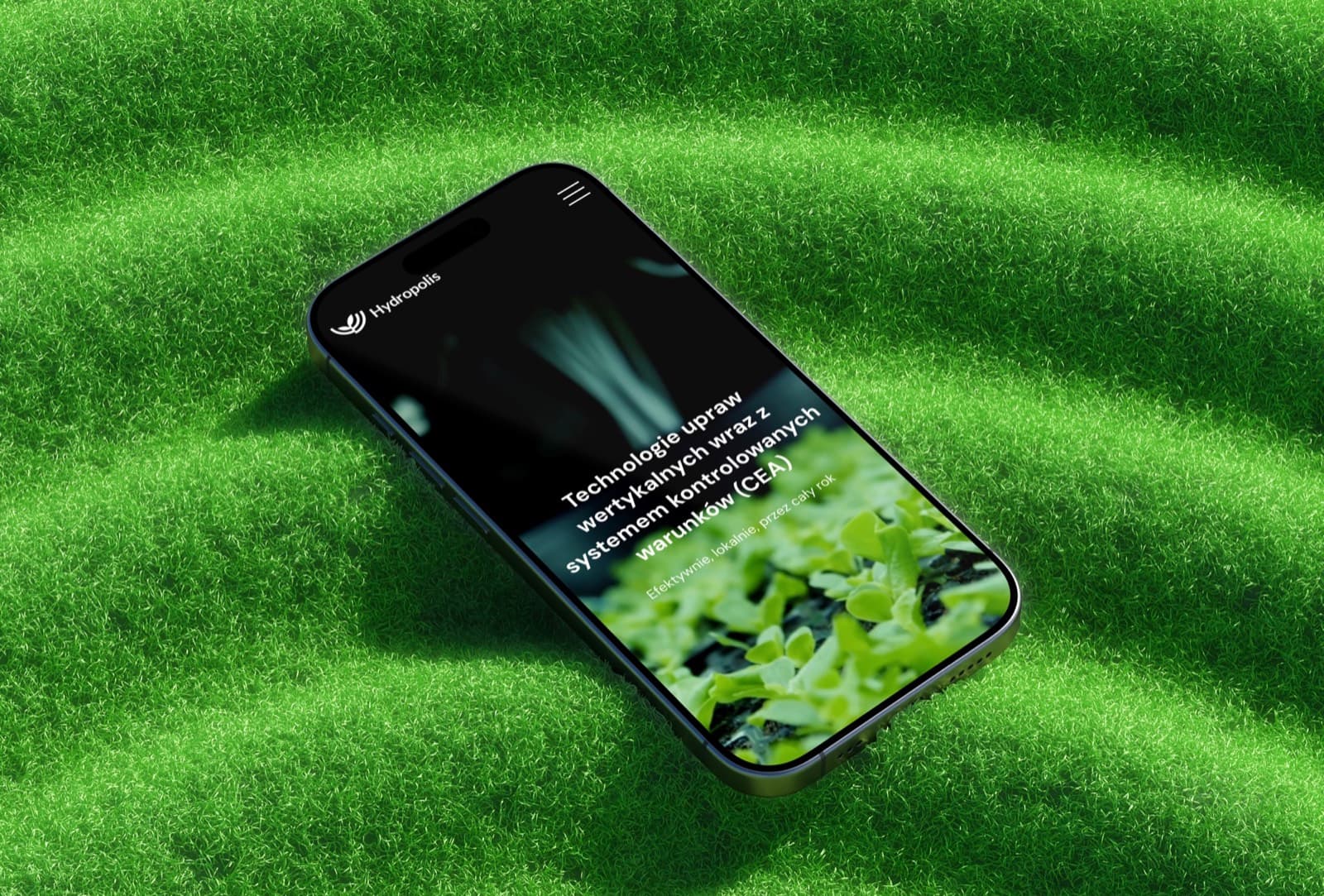
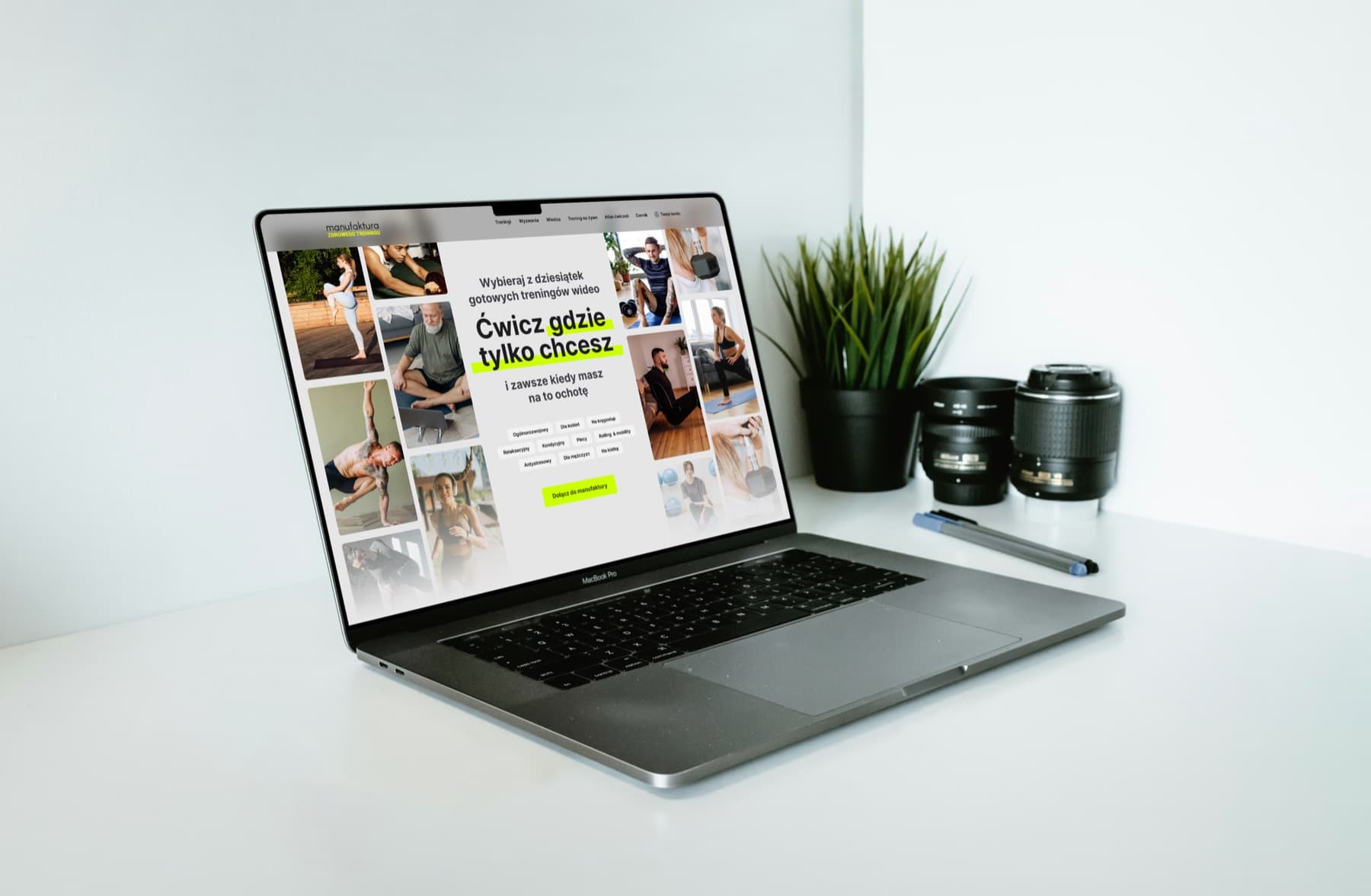
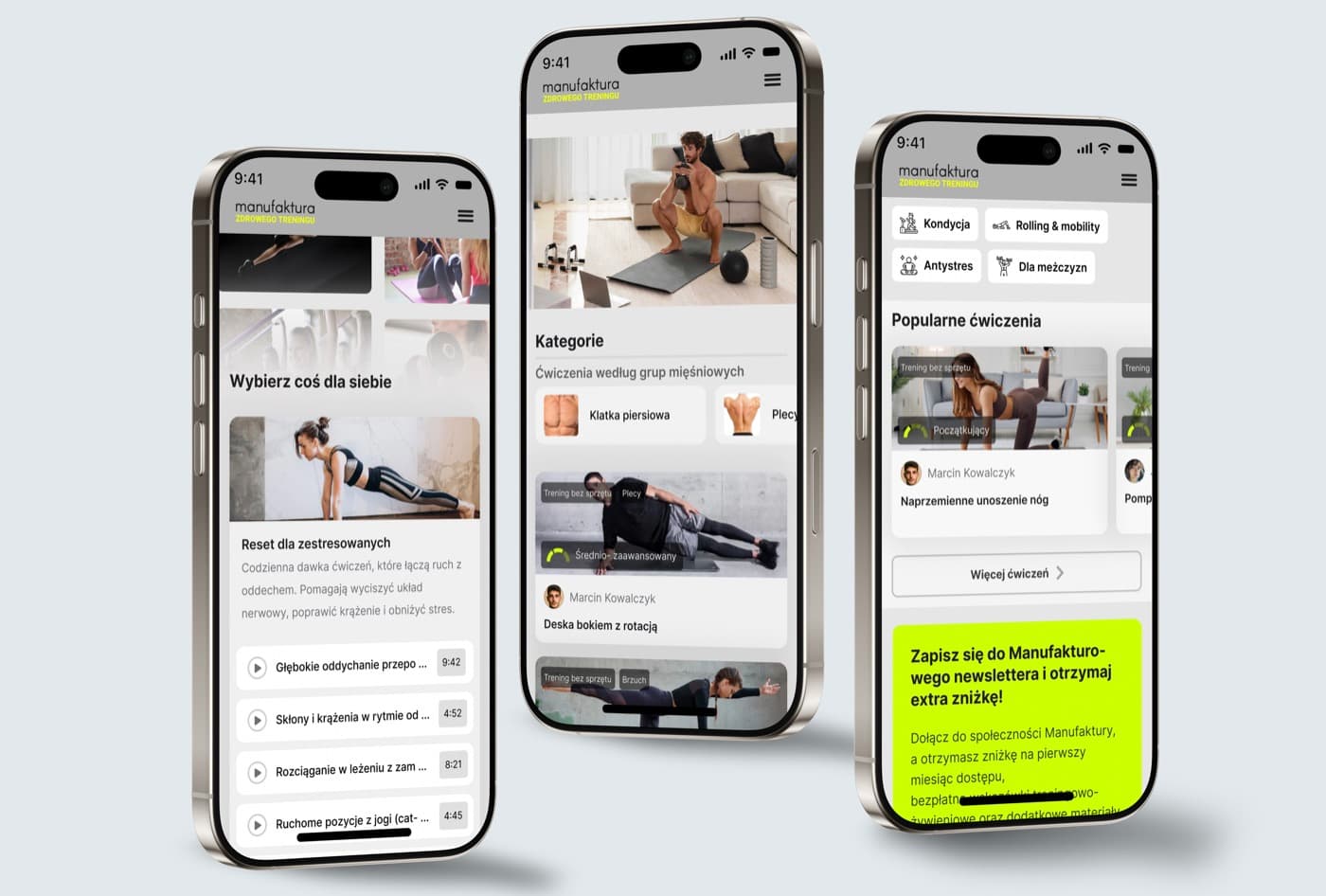
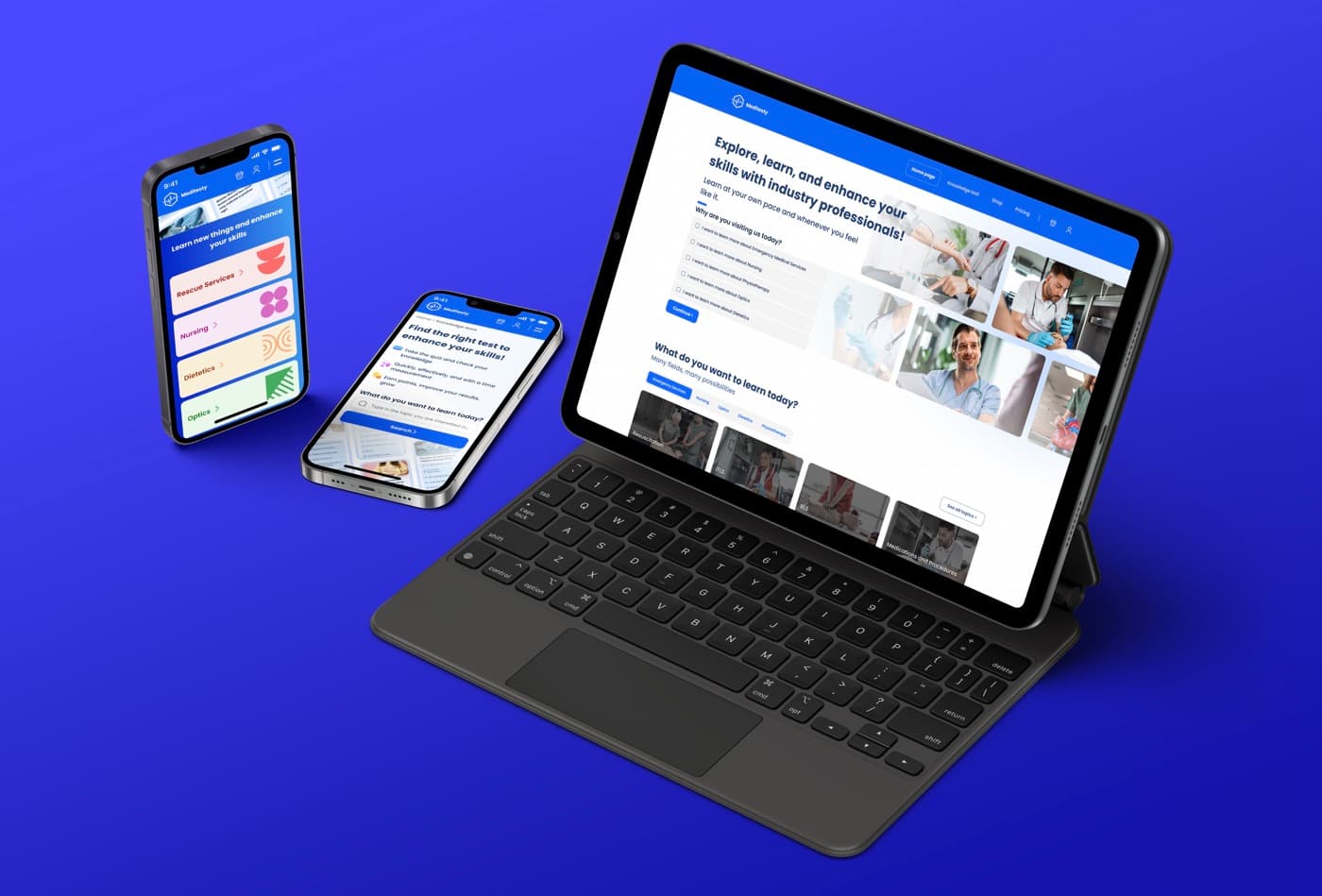
Education, health and industry have their own requirements and their own language. Our work includes an e-learning platform for medical professionals and a monitoring system for vertical farms.

The application works, but every change takes weeks, or the previous vendor disappeared. We start with a code review and an honest assessment of what to fix and what to rewrite.
What you get
Code is only a means to an end. What counts is whether people use the application and whether it earns or saves you money.
An MVP shows whether the idea works before you invest in the full product.
Every few weeks you see a working part of the application, not just reports.
UX/UI and development in one team, with nothing lost between vendors.
Architecture and technology chosen so the application grows with your company.
The code and design belong to you, with documentation another team can follow.
Monitoring, fixes and new features after deployment.
Facts and figures
Most products don't fail because of technology, but because they don't fit real needs.
42%
of startups fail because they build something the market doesn't need (CB Insights, 2017)
29%
of startups fail because they run out of cash before the product starts earning (CB Insights, 2017)
<30%
of digital transformations in companies reach their goals (McKinsey, 2018)
53%
of mobile users leave a site that takes longer than 3 seconds to load (Google, 2016)
How we work
Five stages. At each one you know what is being built, how long it takes and what comes next.
Problem, users, scope
What problem are we solving and for whom? Which features have to be there on day one, and which can wait? You leave with a scope and a work plan.

UX/UI and prototype
User paths and screens, then a clickable prototype to test with users. A change in the prototype costs hours; in code it costs weeks.
Short iterations
Cycles of a few weeks. After each one we show a working piece and decide together what comes next.

Testing and go-live
Testing, servers, monitoring and backups. Only when all of that works do we let users in.
Data and new features
We look at how people really use the application. We fix what gets in their way and develop what they use most.
FAQ
Answers to the questions we hear before we start building.
